Should I Pay Off Debt or Invest First?
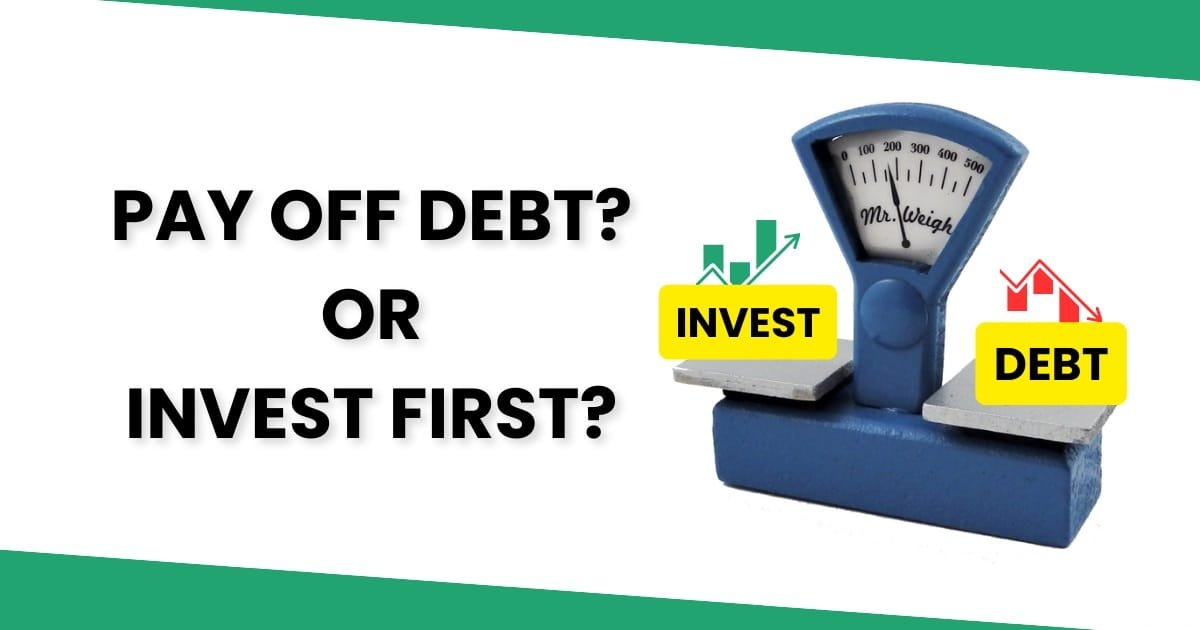
Managing money wisely is all about making the right financial decisions. One of the biggest dilemmas people face is whether to pay off debt first or start investing. Both options are essential for financial growth, but choosing the right approach depends on several factors. In this blog, we’ll break down the pros and cons of each, helping you decide what’s best for your situation.
Understanding Your Financial Priorities
Before deciding, it’s crucial to analyze your current financial situation. Ask yourself:
- Do I have high-interest debt like credit cards or personal loans?
- Do I have an emergency fund to cover unexpected expenses?
- What are my financial goals in the next 5–10 years?
- How much return can I realistically expect from my investments?
Your answers will help determine the best strategy for managing your money efficiently.
Why Paying Off Debt First Makes Sense
Debt can drain your finances if not managed properly. Here’s why prioritizing debt repayment might be a smart move:
1. High-Interest Debt Eats Away Your Wealth
Debts like credit cards, payday loans, and personal loans often come with high interest rates, sometimes exceeding 20% annually. If your investments offer lower returns than your debt interest, paying off debt first saves you more money in the long run.
2. Financial Freedom and Less Stress
Being debt-free gives you peace of mind. Monthly debt payments can be a burden, limiting your ability to save, invest, or even enjoy life. Clearing them out early reduces stress and improves financial stability.
3. Better Credit Score
Your credit score impacts everything from loan approvals to interest rates. Paying off debt lowers your credit utilization ratio and improves your credit score, making it easier to access financial opportunities in the future.
When Should You Prioritize Debt Repayment?
- You have high-interest debts (credit cards, personal loans, payday loans).
- Your monthly debt payments take up a significant portion of your income.
- You want to improve your credit score for future financial opportunities.
Why Investing First Might Be a Better Option
While paying off debt is important, delaying investments can hurt your long-term financial growth. Here’s why you might want to invest before clearing all your debt:
1. The Power of Compound Interest
The earlier you start investing, the more you benefit from compound interest. Even small investments grow significantly over time, thanks to reinvested returns. Delaying investing can mean missing out on years of growth.
2. Inflation Reduces Debt Value Over Time
If your debt has a low interest rate (like a mortgage or student loan), its real cost decreases over time due to inflation. Instead of rushing to pay it off, you could invest your money and earn higher returns.
3. Retirement Savings Shouldn’t Wait
If your employer offers a 401(k) match or provident fund contributions, it’s essentially free money. Prioritizing investments in such schemes can provide long-term financial security.
When Should You Invest Before Paying Off Debt?
- Your debt has a low interest rate (mortgage, student loans).
- You have an employer-matched retirement plan.
- You want to take advantage of compound interest for long-term wealth building.
Finding the Right Balance: A Hybrid Approach
For most people, a balanced approach works best. Instead of choosing only debt repayment or only investing, consider splitting your money between the two.
How to Apply a Hybrid Approach:
- Step 1: Build an emergency fund (at least 3–6 months of expenses).
- Step 2: Pay off high-interest debt while starting small investments.
- Step 3: Increase investments as debt reduces.
By doing this, you eliminate financial risk while growing your wealth at the same time.
Final Thoughts: Which Option is Right for You?
There’s no one-size-fits-all answer. The best choice depends on:
✔ Your debt type and interest rate – Pay off high-interest debt first.
✔ Your financial goals – If you aim for long-term wealth, start investing early.
✔ Your risk tolerance – If debt stresses you out, clearing it might be the better choice.
Whichever path you choose, staying consistent with your financial plan is the key to long-term success.
Start Tracking Your Finances Today
Want to balance debt repayment and investing the smart way? Use NetWorth+, the best personal finance app, to track your expenses, set budgets, and grow your wealth efficiently.