What is the Easiest Budgeting Method for Beginners in 2025?
Budgeting can feel overwhelming, especially if you’re just starting out. With so many budgeting apps, complex spreadsheets, and financial advice floating around, it’s easy to overcomplicate things. But don’t worry—managing your money doesn’t have to be difficult. In fact, the easiest budgeting method for beginners has long been the 50/30/20 rule—a simple way to take control of your finances.
However, in today’s world, this method is becoming outdated. Rising living costs, student loans, and financial priorities have changed how people manage money. That’s why we’ll also introduce a new, updated budgeting method that works better for modern finances.
The Classic 50/30/20 Budgeting Rule
The 50/30/20 rule helps you allocate your income into three categories:
- 50% Needs – Essential expenses like rent, groceries, utilities, and insurance.
- 30% Wants – Fun money for dining out, shopping, entertainment, and hobbies.
- 20% Savings & Debt Repayment – Emergency fund, investments, retirement savings, or paying off loans.
Why Was the 50/30/20 Rule Popular?
- Simple and Flexible – No need for detailed expense tracking; just split your income into three parts.
- No Complex Calculations – Works for anyone, regardless of income level.
- Encourages Saving – Ensures at least 20% of income goes towards wealth-building.
Why the 50/30/20 Rule is Outdated
While the 50/30/20 rule is great for basic budgeting, modern financial challenges make it less effective:
- Higher Cost of Living – In many cities, rent alone takes up more than 50% of income.
- Increased Debt Burden – Student loans, car loans, and credit card debt require more than just 20% savings.
- Changing Financial Priorities – People want to invest early, retire faster, or build multiple income streams.
- No Flexibility for Varying Incomes – Many people have side hustles or freelance income, making fixed percentages impractical.
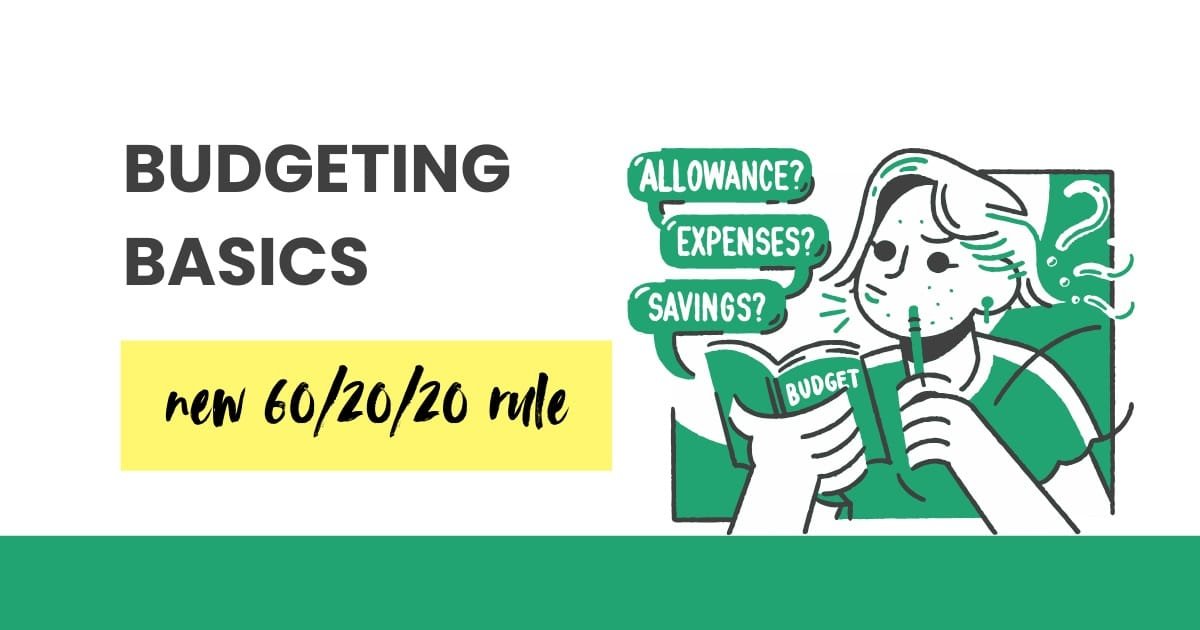
The New 60/20/20 Budgeting Rule
A more modern and practical budgeting method is the 60/20/20 rule:
- 60% Essentials – Rent, food, bills, insurance, and loan payments.
- 20% Financial Growth – Investments, savings, and debt repayment.
- 20% Lifestyle & Fun – Travel, dining out, entertainment, and hobbies.
Why 60/20/20 Works Better?
- More Room for Necessities – Adapts to rising rent and living costs.
- Better Financial Security – Encourages stronger savings and investments.
- Balanced Lifestyle – Allows for enjoyment while still securing your future.
How to Start Budgeting with 60/20/20?
Step 1: Calculate Your Income
Find your total monthly income after taxes. Include all sources—salary, side hustles, and passive income.
Step 2: Allocate Your Budget
- 60% Essentials – Prioritize rent, bills, food, and necessary expenses.
- 20% Financial Growth – Focus on saving, investing, and paying off debt.
- 20% Lifestyle & Fun – Enjoy guilt-free spending on hobbies and entertainment.
Step 3: Track & Adjust
Use a budgeting app like NetWorth+ to monitor spending and make necessary adjustments.
How NetWorth+ Can Help You Budget Easily?
If you don’t want to manually track your expenses, NetWorth+ can do it for you! It’s one of the best budget apps for beginners, helping you:
✔ Automatically categorize expenses.
✔ Set spending limits for each category.
✔ Track your income and savings in real-time.
✔ Get insights to optimize your financial habits.
Final Thoughts
The 50/30/20 rule was once the easiest budgeting method for beginners, but with today’s financial realities, the 60/20/20 rule is more practical. By following this new method and using tools like NetWorth+, you can build a strong financial foundation without feeling overwhelmed.